Core Services Supplied by Arborists: Caring for Your Trees and Landscape
Arborists play an important role in sustaining the wellbeing of trees and beautifying outdoor spaces. Their skill set includes a range of fundamental services, from planting and identifying diseases to skilled pruning and pest control. These specialists not only elevate the beauty of properties but also contribute to broader environmental goals. Understanding the specific techniques and practices employed by arborists reveals how they protect our green spaces and guarantee the sustainability of tree populations. What challenges do they face in their work?
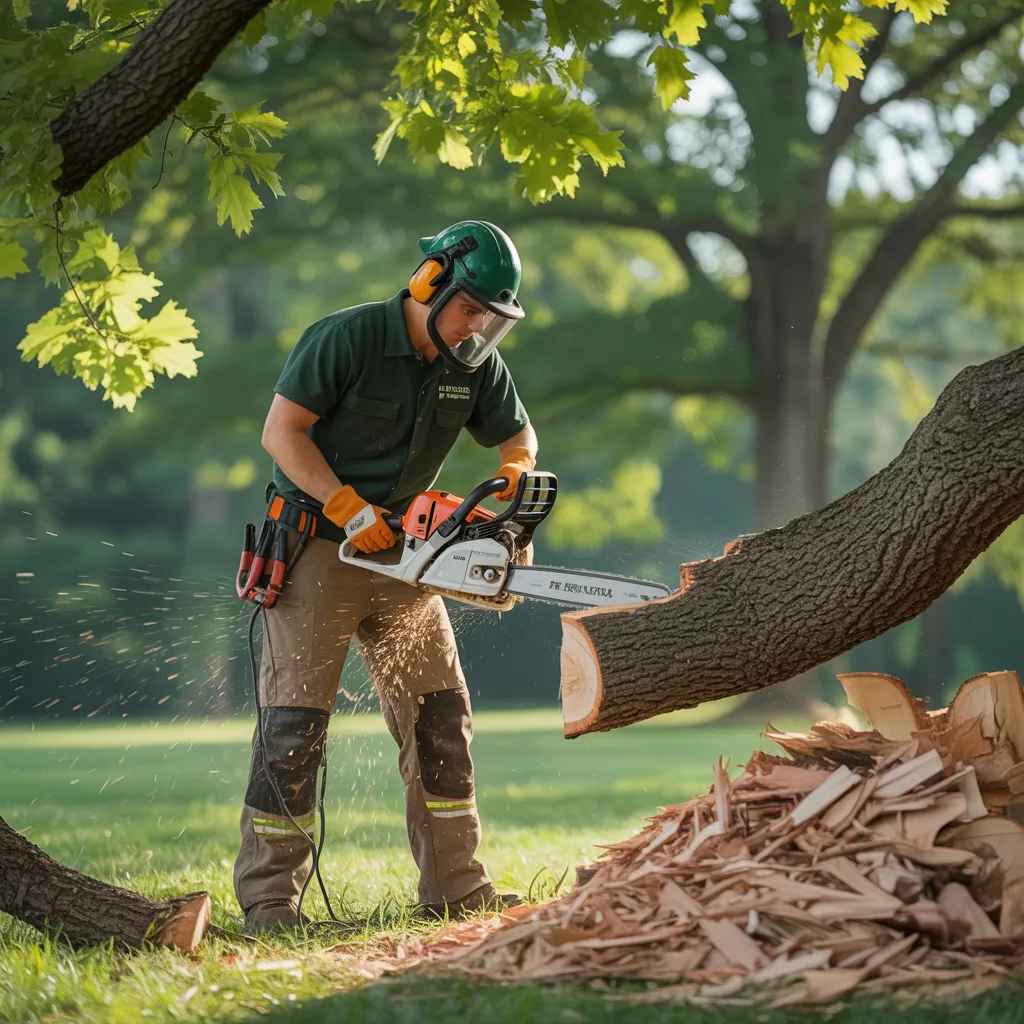
The Vital Role of Arborists in Tree Care
Arborists serve a vital role in the care and upkeep of trees, promoting their strength and long life. These trained professionals possess a deep understanding of tree biology and ecology, enabling them to evaluate tree health with precision. They identify diseases, pests, and environmental stresses that may threaten tree health. Arborists also provide essential services such as planting trees, identifying issues, and suggesting treatments tailored to specific species and locations.
In addition, they inform property owners about proper tree care techniques and the value of preserving tree health in the surrounding environment. Arborists often collaborate with city officials and local agencies to promote urban forestry initiatives, increasing environmental diversity and bettering air conditions. Their expertise not only contributes to the aesthetics of domestic and commercial landscapes but also makes a meaningful impact in ecological preservation. Overall, arborists are essential protectors of trees, encouraging a harmonious bond between ecosystems and urban expansion.
Techniques for Effective Tree Pruning
Effective tree pruning involves recognizing diverse methods and identifying the best timing for every technique. Various pruning techniques fulfill unique objectives, from enhancing growth to maintaining tree health. Timing is critical, as selecting the correct season can profoundly affect the tree's reaction to pruning activities.
Different Types Of Pruning Methods
Trimming trees necessitates a well-planned strategy to guarantee strong growth and attractive appearance. Several pruning techniques fulfill different objectives, each designed for particular circumstances. Thinning entails the deliberate removal of branches to improve light exposure and airflow, encouraging comprehensive tree wellness. Crown reduction, by contrast, diminishes the height and breadth of a tree while maintaining its natural shape, commonly applied to lessen dangers from powerful gusts. Deadheading focuses on removing spent flowers or dead branches, stimulating fresh growth and extending flowering seasons. Ultimately, rejuvenation pruning is carried out on overgrown shrubs, stimulating new development by trimming away aged wood. Understanding these methods allows arborists to effectively manage tree health and secure a beautifully maintained outdoor space.
Best Timing For Pruning
When should trees be pruned for the best health and growth results? Arborists recommend pruning during the late winter or early spring, immediately prior to the onset of new growth. This schedule helps minimize tree stress and lowers the risk of disease. This approach promotes improved healing as the tree begins its active growth period. Particular species may additionally benefit from summer pruning to regulate growth or clear away dead wood. However, fall pruning is generally discouraged, as it can expose trees to winter injury. Understanding the specific needs of each tree species is essential for peak results. By sticking to these principles, arborists help ensure trees remain robust and flourishing throughout their entire lifecycle.
How Arborists Manage Tree Diseases and Pests
Arborists diligently monitor and manage tree-related diseases and pest issues to preserve the vitality and long-term health of urban and rural trees. They initiate the process by carrying out thorough inspections to identify the earliest symptoms of pest infestations and infections. Drawing on their specialized knowledge, arborists assess the species and extent of the problem, which is essential in establishing the most suitable course of treatment.
Incorporating comprehensive IPM methods, they combine biological, chemical, and cultural techniques to reduce the effect on the environment. This all-encompassing strategy often includes deploying helpful insects, utilizing organic treatments, or employing selective pesticides when warranted.
Moreover, arborists guide property owners on proactive strategies, such as appropriate irrigation and pruning practices, to enhance tree resilience. Routine upkeep and observation make certain that emerging problems are dealt with swiftly, consistently protecting the scenic and natural value of these trees in both metropolitan and rural landscapes.
Key Signs You Require Emergency Tree Removal?
The health of a tree can decline quickly, creating scenarios where urgent action becomes essential. Warning signs that point to the need for emergency tree removal consist of apparent splits or fissures in the trunk, which compromise structural integrity. Additionally, large branches or the entire tree leaning at an unusual angle can be a sign of structural instability, most notably after extreme weather events. Rotting or dead limbs, commonly paired with visible fungal development, imply that the tree cannot be saved.
An additional warning sign is the existence of extensive root damage, which can destabilize the tree further. If a tree is positioned near structures or power lines, such warning signs can present immediate safety hazards. Tree specialists advise immediate evaluation and intervention when these signs are observed, as neglecting them can lead to hazardous situations for both surrounding property and people. Routine evaluations can help in identifying these concerns before they Arborist escalate into emergencies.
Professional Advice for Planting New Trees
When planting new trees identifying the correct species is vital to secure long-term health and growth. Moreover, proper soil conditions serve a critical function in a tree's overall growth. Grasping these considerations can considerably increase the results of any planting project.
Picking The Right Species
Selecting the ideal species of tree is essential for ensuring a successful landscape, as distinct types provide varied benefits and challenges. Factors such as climate, soil type, and available space play a vital role in the selection process. As an example, native species often require less maintenance and are well adjusted to surrounding ecosystems, encouraging ecological balance. Moreover, considerations like mature size, growth rate, and disease resistance can influence the decision. Homeowners should also reflect on the aesthetic appeal and seasonal interest of the plantings, verifying they suit the surrounding environment. Speaking with a tree specialist can deliver professional recommendations, assisting in identifying varieties that align with both personal preferences and environmental conditions, ultimately fostering a resilient and balanced outdoor environment.
Ensuring Proper Soil Conditions
Preparing the soil is vital for the proper development of new trees. Horticultural experts emphasize the importance of assessing soil quality before planting. This requires testing pH levels and ensuring proper drainage to develop an ideal environment for root growth. Amending the soil with organic matter can boost nutrient availability and improve structure. Additionally, the soil should be adequately porous to allow roots to spread freely, yet sufficiently compact to provide stability.
Arborists recommend digging a hole that is at least twice the width of the root ball to promote lateral root expansion. Applying mulch around the tree's base aids in preserving moisture and controlling temperature, while also fostering robust development. Ideal soil conditions establish the foundation for flourishing trees and lush landscapes.
The Value of Regular Tree Care and Inspections
Consistent tree maintenance and inspections are vital for securing the wellbeing and safety of trees and neighboring properties. Tree specialists play a crucial role in detecting potential problems, such as disease, pest infestations, and structural weaknesses. Regular assessments allow for timely interventions, that can minimize significant damage and extend the life expectancy of trees.
Furthermore, scheduled maintenance, comprising fertilization and pruning, fosters robust growth and boosts the overall appearance of green spaces. Surveys help pinpoint trees that may endanger neighboring properties or residents, facilitating forward-thinking actions to minimize risks.
Furthermore, the upkeep of trees delivers ecological advantages, such as improved air quality and wildlife habitat. By committing to scheduled upkeep and inspections, property owners can preserve their assets and support a vibrant ecosystem. At the core of it all, the knowledge of skilled arborists ensures that trees not only survive but thrive, elevating the visual charm and security of the environment.
Questions Our Customers Often Ask
What Certifications Should I Seek When Hiring an Arborist?
When hiring an arborist, it is important to seek certifications such as ISA (International Society of Arboriculture), TCIA (Tree Care Industry Association), and state-specific licenses, ensuring their expertise in tree care and management.
How Often Should I Schedule Tree Inspections?
Tree inspections are recommended annually, or every six months for high-risk species or areas. Consistent assessments help uncover potential concerns early, making certain trees remain healthy and secure while promoting overall landscape robustness and aesthetic appeal.
Do Arborists Provide Help With Landscaping Design?
Certainly, certified arborists can contribute to landscaping design by examining tree health, suggesting appropriate tree types, and confirming proper positioning. Their expertise strengthens overall appearance while promoting ecological balance, ultimately contributing to a environmentally sound and visually stunning outdoor environment.
What Is the Optimal Time to Plant Trees?
The ideal period for tree planting falls within early spring or fall. These times of year offer perfect soil temperatures and moisture conditions, encouraging strong root development and guaranteeing improved growth during the following warmer months.
How Do Weather Conditions Affect Tree Care Services?
Weather conditions greatly influence arboricultural services. Rainfall, temperature fluctuations, and wind conditions are known to affect service scheduling, pest management, and soil conditions, calling for adaptations in procedures and planning to promote excellent tree health and flourishing.